
Can a Roof Company Help Separate Cosmetic Damage and Functional Damage?
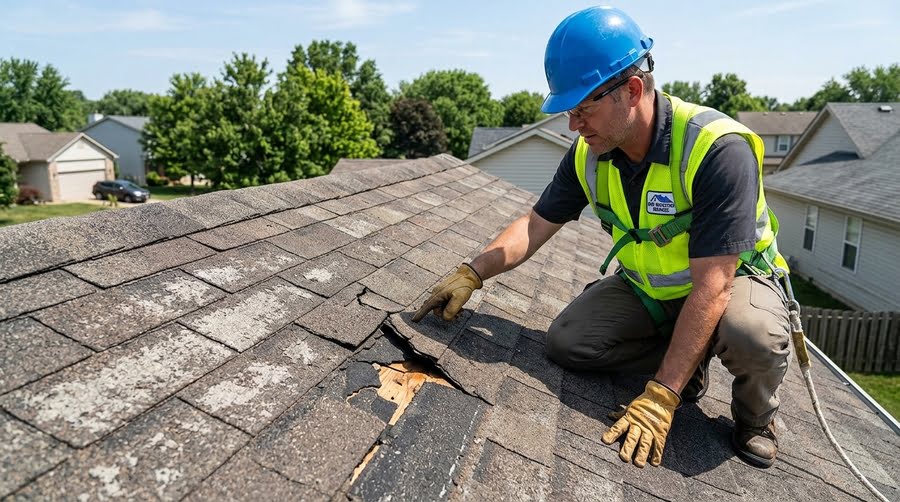
Discoloration, uneven granules, or a mismatched repair may look concerning while the roof still sheds water properly, whereas a small crease or loose flashing joint can create a real weakness without looking dramatic. A qualified roof company can sort through those differences and explain which conditions deserve repair, monitoring, or a broader roofing discussion.
Appearance Alone Does Not Tell the Whole Roofing Story
Color changes are often the first thing homeowners notice because they stand out from the ground. Sun exposure, algae growth, weathering, and previous repairs can make one roof section look different from another without necessarily reducing its ability to keep water out.
Performance problems usually involve something more specific than appearance. Lifted shingles, open seams, failed flashing, damaged underlayment, and loose fasteners can interrupt the path that rain should follow off the roof. Experienced Huntsville roofers compare what the surface looks like with how each component is actually functioning.
Granule Loss Can Be Cosmetic Until the Asphalt Becomes Exposed
Scattered granule loss does not automatically mean shingles have failed. Light shedding can occur as roofing materials age, and uneven sun exposure may make certain slopes look lighter than others while the asphalt layer remains protected.
Bald patches deserve closer attention because exposed asphalt receives more direct ultraviolet light and heat. Continued exposure can dry the material, reduce flexibility, and increase the chance of cracking. Homeowners searching for roofing near me may benefit from an inspection that measures the extent of the wear rather than judging the roof by color alone.
Can a Shingle Look Damaged but Still Work Properly?
Minor scuffs, staining, or manufacturing variations can alter a shingle’s appearance without creating an opening for water. A replacement shingle installed during an earlier repair may also look newer or darker than neighboring pieces even though the overlap and fastening remain sound.
Physical movement creates a different concern. Creased tabs, broken adhesive seals, cracked corners, or exposed nail heads can weaken the roofing system even if the affected area is small. A roof repair company can check whether those defects interfere with water shedding or wind resistance before recommending Huntsville roof repair.
Flashing Problems Often Matter More Than Surface Blemishes
Metal flashing works around chimneys, walls, skylights, valleys, and roof penetrations where shingles cannot provide complete protection on their own. Scratches or minor discoloration on the metal may be cosmetic, but separation, corrosion through the surface, or incorrect overlaps can become functional problems.
Sealant can also make flashing look messy without necessarily indicating failure. However, thick layers of roofing cement sometimes hide loose metal or older patchwork underneath. Skilled contractors inspect how the flashing is installed rather than relying on appearance to decide whether correction is needed.
Storm Damage Can Blur the Line Between Cosmetic and Functional
Hail may leave marks that look similar even though the underlying effects differ. One impact might disturb only surface granules, while another can bruise the asphalt or damage the reinforcement beneath it. Distinguishing those conditions requires closer examination than a quick visual check from the yard.
Wind creates its own less-visible damage patterns. Shingles may lift during a storm, break their adhesive seal, and settle back down afterward. Anyone looking for roof repair near me should consider an inspection after severe weather because a roof can appear intact while still containing weakened sections.
Attic Evidence Helps Confirm Whether Damage Affects Performance
Interior roof conditions can provide answers that exterior appearance cannot. Damp insulation, darkened decking, rusty nail tips, or water trails may confirm that a seemingly small exterior defect is already allowing moisture beneath the roof surface.
Dry attic materials tell a useful story as well. If a stained or weathered roof section has no related moisture, loose components, or structural weakness, the issue may remain largely cosmetic. Reliable Huntsville roofers use evidence from both sides of the roofing system before deciding how serious a condition has become.
Roof Age Changes How the Same Damage Should Be Viewed
Newer shingles may tolerate an isolated defect differently from materials that have already become brittle with age. A small damaged section on an otherwise healthy roof may be straightforward to repair because neighboring shingles can still be lifted and resealed safely.
Older roofing requires more context. Widespread cracking, curling, adhesion loss, and repeated repair areas may show that functional deterioration is occurring alongside cosmetic aging. Roof replacement can become worth comparing when repairs would disturb fragile materials across several sections, though age by itself should not determine the recommendation.
Repair Decisions Should Be Based on Function, Not Just Looks
Targeted repairs make sense when an inspection identifies a specific weakness that can be corrected without replacing sound roofing around it. Resetting flashing, replacing several damaged shingles, correcting fasteners, or rebuilding a vent connection can restore performance while leaving healthy sections in place.
Through a detailed roof inspection, the team at Fleming Roofing can compare visible surface changes with the parts of the system that actually control weather protection. They can check shingles, flashing, fasteners, attic conditions, and moisture evidence to determine whether a concern is mainly cosmetic or whether it affects the roof’s ability to perform. That distinction helps homeowners avoid unnecessary work while still addressing damage that may require targeted repair or a larger roofing solution.
